Nice UNESCO World Heritage: 5 Reasons to Fall in Love with its Belle Époque Architecture

Nice UNESCO World Heritage: 5 Reasons to Fall in Love with its Belle Époque Architecture

Categories : Nice, published on : 6/17/26

There are cities you visit for their beaches. And there is Nice, which is also best visited with your eyes raised, toward the ochre and cream facades along the Promenade, toward the Orthodox domes glinting above the palm trees, toward the Art Deco details tucked into the hills of Cimiez. In 2021, UNESCO formally recognised what visitors have felt for more than a century: Nice is not simply a seaside destination, it is an architectural heritage of the highest order.


Why Nice was classified as a UNESCO World Heritage site

In July 2021, UNESCO inscribed Nice on the World Heritage list under the title "Nice, Winter Resort Town of the Riviera", a recognition of the city's pioneering role in European winter tourism, dating back to the 18th century. What captivated British, Russian and European aristocracy for two centuries continues to fascinate visitors today: an exceptional climate, urban planning designed entirely around leisure and seasonal residence, and an architecture that blends influences with rare elegance.

This designation does not honour a single monument, it honours an entire urban ensemble: the way hotels, villas, gardens and promenades were conceived together to create a stay experience unlike anywhere else in Europe.
Boscolo - Nice UNESCO World Heritage: 5 Reasons to Fall in Love with its Belle Époque Architecture

1. The Belle Époque facades of the Promenade des Anglais

This is the image everyone carries of Nice, and it is entirely deserved. Built between 1880 and 1930, the facades along the Promenade display intricate ironwork, carved stone balconies, and that instantly recognisable palette of ivory, pale pink and sun-soaked yellow.

The Negresco, with its iconic pink dome, remains the most photographed symbol, but it is the dozens of lesser-known neighbouring buildings that truly tell the story of this resort architecture.

Boscolo - Nice UNESCO World Heritage: 5 Reasons to Fall in Love with its Belle Époque Architecture

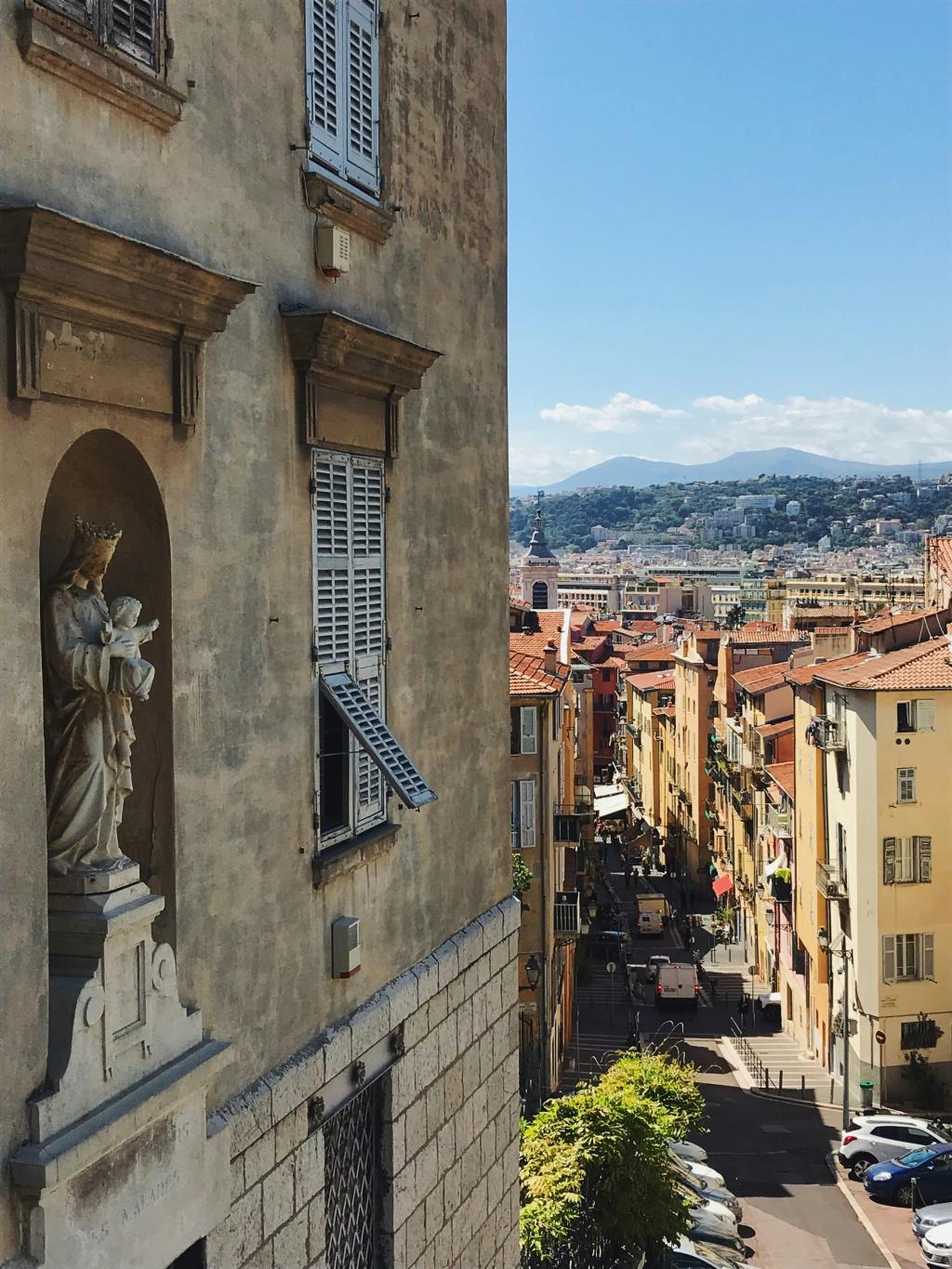
2. The baroque churches of Vieux-Nice

A few streets from the Promenade, Vieux-Nice tells a different story, that of Genoese and Piedmontese influence on the city. The Cathédrale Sainte-Réparate on place Rossetti, and the Église du Gesù, display a flamboyant baroque style that rivals Naples or Genoa.

These facades, often overlooked by rushed visitors, are among the finest expressions of Mediterranean religious architecture.

Boscolo - Nice UNESCO World Heritage: 5 Reasons to Fall in Love with its Belle Époque Architecture

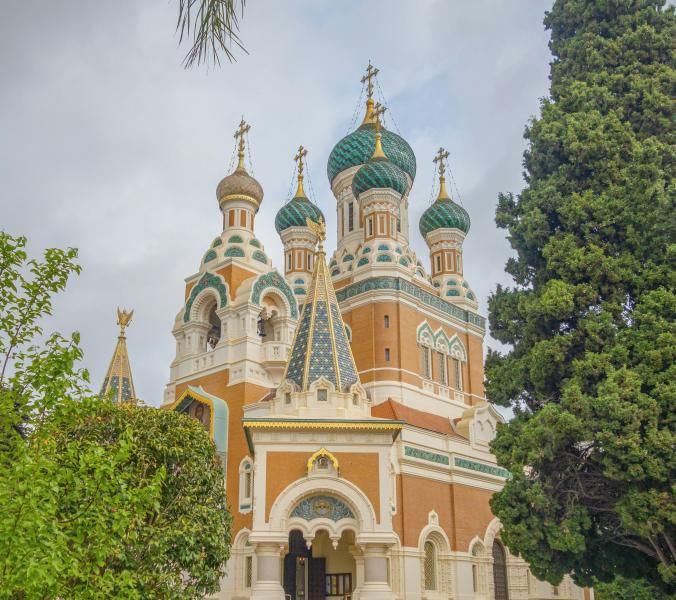
3. The Russian Orthodox Cathedral of Saint Nicholas

Built in the early 20th century to serve the aristocratic Russian community that spent its winters in Nice, the Saint Nicholas Cathedral is one of the most beautiful Orthodox buildings outside of Russia.

Its six gilded domes and remarkably rich interior decoration make it an essential stop and a fascinating testament to the pull Nice once held over Europe's royal courts.

Boscolo - Nice UNESCO World Heritage: 5 Reasons to Fall in Love with its Belle Époque Architecture

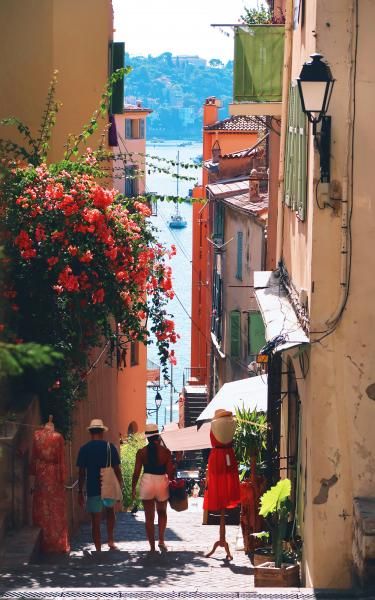
4. The colourful palette of Vieux-Nice

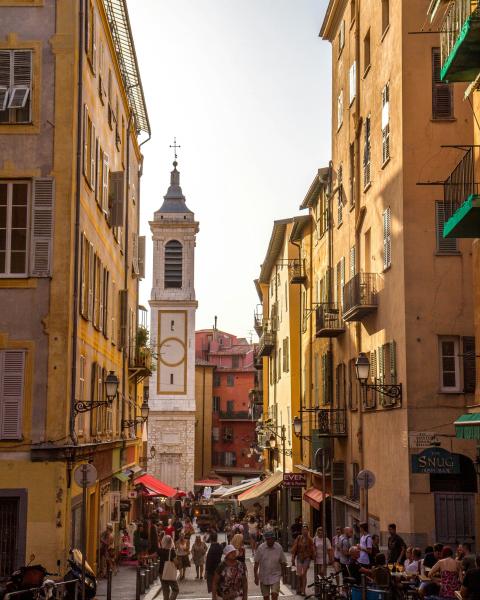
It is not a single monument, but it is an architectural signature in its own right: the ochre, terracotta and saffron-yellow palette of Vieux-Nice, which instantly sets Nice apart from other Côte d'Azur towns.

This tradition of coloured facades traces back to Piedmontese and Genoese influence, and continues to be carefully preserved and restored by the city.

Boscolo - Nice UNESCO World Heritage: 5 Reasons to Fall in Love with its Belle Époque Architecture

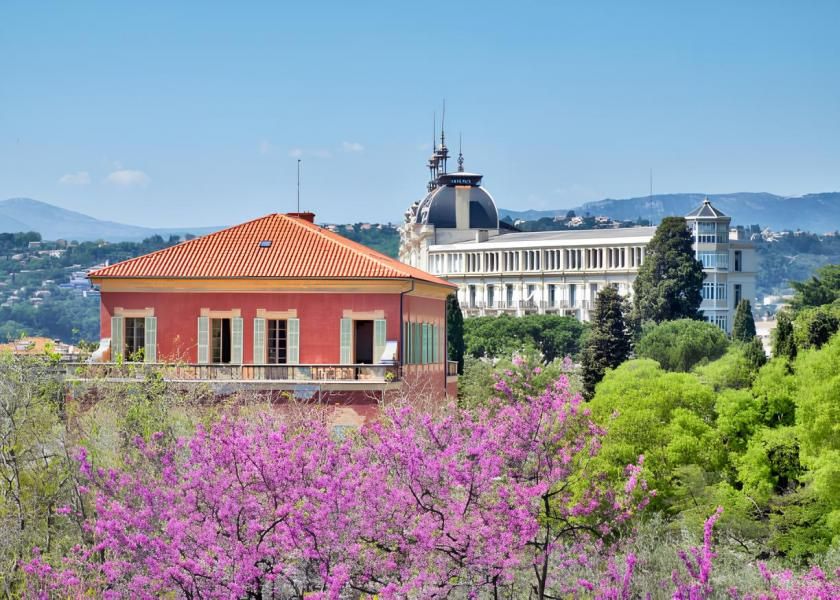
5. The Art Deco villas of Cimiez

Climbing toward the Cimiez district, the architecture shifts register entirely: here, early 20th-century villas embrace the clean lines and geometry of Art Deco.

Less well known than the Promenade, this residential quarter offers a different architectural walk, more intimate, more secret, and equally revealing of Nice's history as a destination for a discerning international clientele.

How to visit this heritage

The best way to discover this architecture is on foot; Nice lends itself naturally to a walking route connecting the Promenade des Anglais, Vieux-Nice and the Orthodox Cathedral in just a few hours. The Nice Tourist Office offers a detailed map of the listed heritage site, with a self-guided itinerary to explore each stop at your own pace.

To enjoy the facades without the crowds, head out early in the morning, the low morning light on the ochre tones also makes for the most beautiful photographs.

Where to stay to be at the heart of this heritage

Boscolo Nice Hotel & Spa is itself a holder of the Silver label of Nice Historic Hotels, awarded as part of the management of the UNESCO-listed site.

Set within a Belle Époque building on Boulevard Victor Hugo, just minutes on foot from the Promenade and Vieux-Nice, the hotel places you directly at the heart of this exceptional architectural heritage, not beside it, inside it.

Staying here places you inside the heritage. Discover your room →


Please confirm the captcha

Les informations portées sur ce formulaire vous concernant sont à l’usage de notre établissement et de nos prestataires techniques afin de traiter votre demande. Vous acceptez notre politique de confidentialité des données personnelles. Conformément à la Loi n°78-17 du 6 janvier 1978 modifiée, et au règlement général sur la protection des données, vous disposez d’un droit d’accès, de rectification, d’effacement, d'opposition et de limitation du traitement relatif aux données personnelles qui vous concernent, ainsi que du droit à la portabilité des données et de définition de vos directives relatives à la gestion de vos données après votre décès. Vous pouvez exercer ces droits par email à l'adresse contact.nice@boscolocollection.com. Pour en savoir plus, consultez les mentions légales.

Please confirm the captcha